Backend engineering
- PHP 8, Symfony; earlier Yii and Laravel
- Java and Kotlin with Spring Boot (2016–2018)
- REST API design and integration with third-party systems
- MySQL and PostgreSQL schema design
Production work since 2014.
Tanat Alpenov
Backend architecture, performance and systems programming
Building reliable backend systems, exploring system architecture, and engineering for performance.
12+ years of commercial software development. Focused on backend engineering, system design, performance optimization, and understanding the internals of software systems.
About

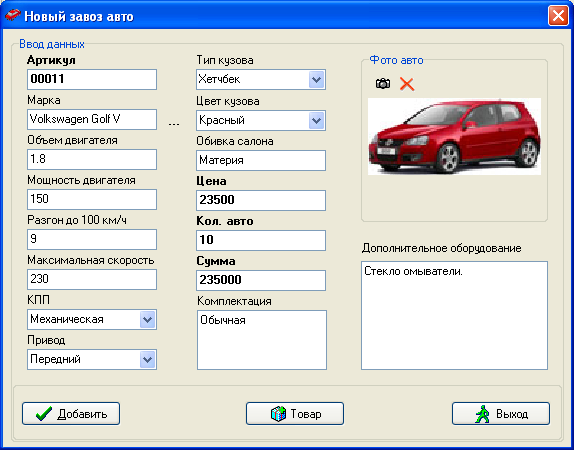
I started programming in 2007, and early on I got curious about what compiled programs actually do. To read their machine code in OllyDbg and solve crackme challenges, I learned x86 assembly — and wrote my own assembly editor, FASM Editor, in Delphi along the way.
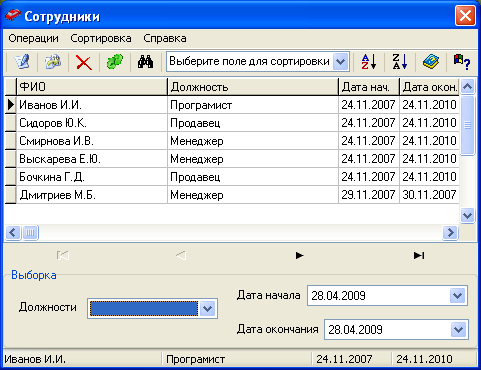
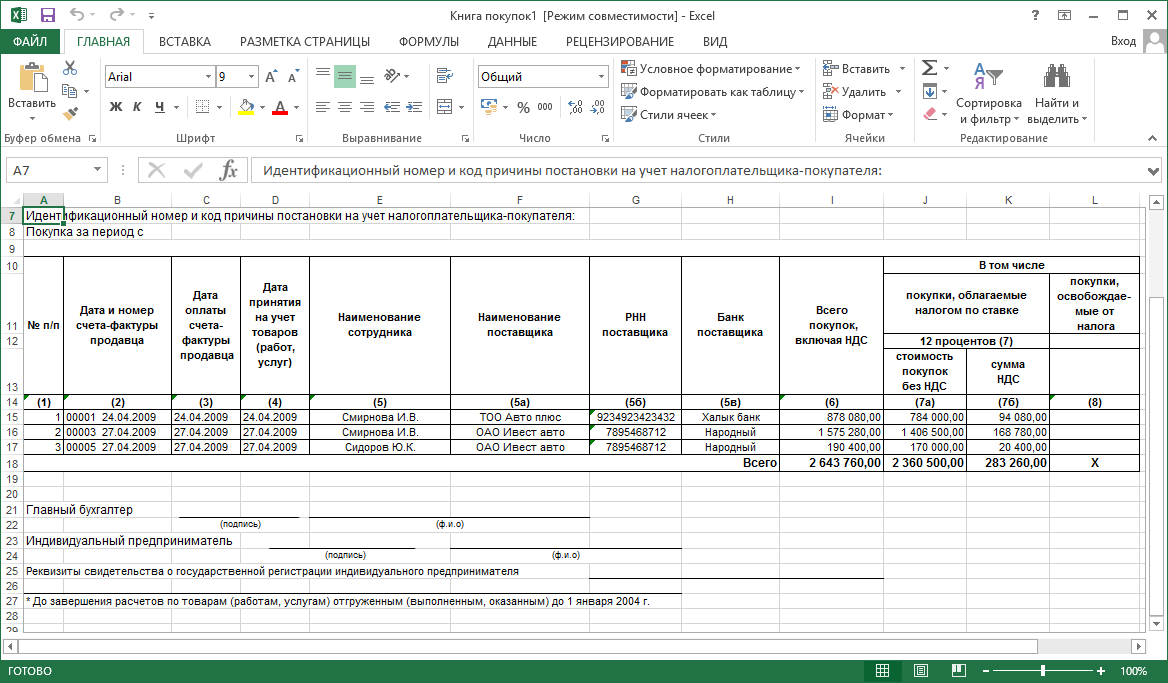
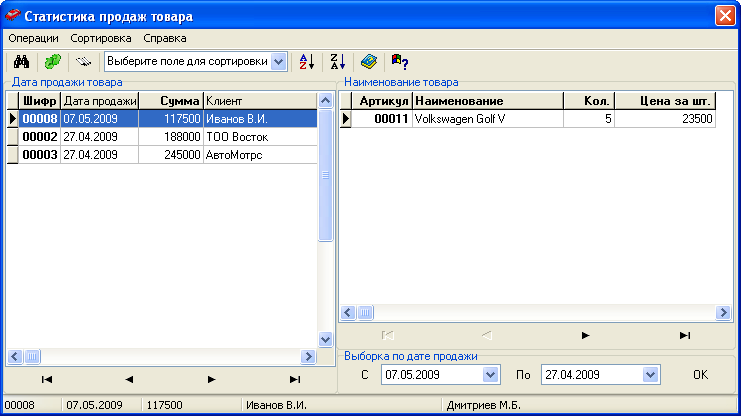
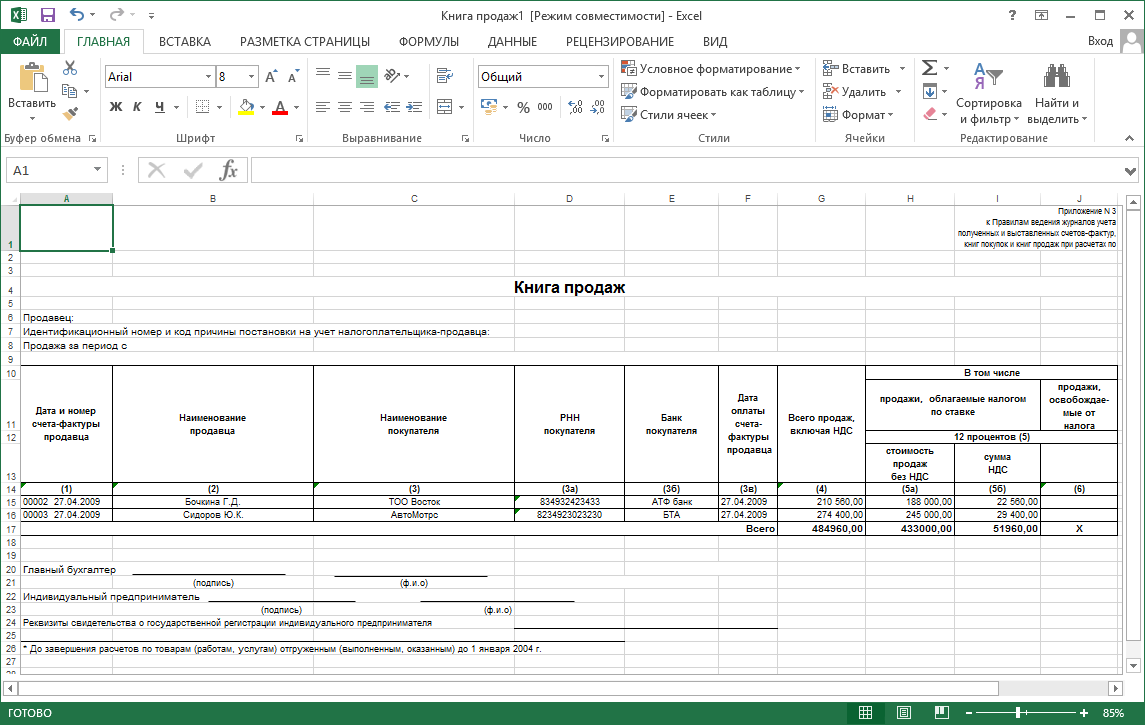
I have worked professionally since 2014. My first job was at a university, where I built its internal software: an anti-plagiarism system in PHP and Java, a document registry and a task tracker.
From 2016 to 2018 I worked on Java and Kotlin backends: a plugin-based REST service over third-party queue systems, a RabbitMQ-driven ingestion service for company registry data, and Spring Boot microservices on AWS. Since 2018 my work has been mainly PHP and Symfony: products in healthcare, domain registration and network monitoring, then five years on a group of high-traffic consumer products, and now a SaaS platform for online businesses.
That habit stayed with me: outside of work I still learn by building small, simplified versions of the mechanisms backend systems depend on — worker pools, job queues, an event-driven cache server, an HTTP server, a database engine with a write-ahead log — and keep them as reference notes. I prefer hands-on engineering to people management.
Engineering focus
Areas of production experience and ongoing study. The note under each card says where the experience comes from.
Production work since 2014.
Production work, 2021–2026.
fork(), IPC, shared memoryExplored through learning projects in PHP Systems Lab.
CQRS and event-driven design applied at work; compared side by side in Architecture Lab.
Production work.
strict_types across a large monolithProduction work; PHPStan level 8 in the labs.
AGENTS.md) in a large codebaseProduction work at systeme.io, 2026.
Engineering labs
Personal learning projects. I build simplified versions of the mechanisms I want to understand and keep them as working reference notes for myself. Each is small and runnable — tests, static analysis, CI, Docker — but they are study material: they show what I have explored, not a claim of deep expertise in every topic, and they are not production replacements.
Nine projects, from memory and processes up to a platform that joins them over real process and network boundaries. Overview repository. Each project has chapters in the Engineering Lab book.
The integration project: HTTP, cache, database, search, jobs and workers from the previous projects running together as one backend platform.
How should failures and backpressure move between components?
A full-text search service: Unicode normalization, Snowball stemming, an inverted index, BM25 ranking, an append-only log and crash recovery.
What does “more relevant” mean, as a number?
A small relational engine: pages and records, B-tree indexes, a SQL parser and executor, transactions, a write-ahead log and crash recovery.
How can a database recover after a crash?
An event-driven HTTP server: request parsing, routing, middleware, response buffering and keep-alive.
What happens when a client is slower than the server?
An event-driven in-memory server speaking RESP: pipelining, TTL, Pub/Sub, MULTI/EXEC with WATCH, snapshots through a forked child, and measured event-loop fairness.
How does one event loop serve many connections, and what happens when one client becomes too expensive?
Reliable background jobs: delivery leases and fencing, acknowledgements, retries with backoff, delayed jobs, priorities, dead letters, and append-only file persistence.
What does “reliable delivery” actually mean when a worker crashes mid-job?
A persistent master/worker pool: worker lifecycle and states, supervision, a length-prefixed protocol with correlation IDs, draining, timeouts, backpressure, graceful reload and autoscaling.
How can a pool of long-lived workers shut down without dropping requests in flight?
A 38-lesson course of runnable experiments: processes, IPC, supervision, producer/consumer, pipelines, actors, work stealing, event loops, Fibers, and hand-built PHP-FPM-, RoadRunner- and Messenger-style runtimes.
How do event loops work, and what problem do Fibers solve?
Memory from PHP's side: RSS, garbage collection, fork() and copy-on-write, mmap, shared memory, a shared-memory ring buffer, FFI and native memory.
What actually happens to memory after fork()?
public function tick(?float $timeoutSeconds): int
{
    $this->forgetClosedStreams();

    $read = array_map(static fn (array $entry) => $entry[0], $this->readListeners);
    $write = array_map(static fn (array $entry) => $entry[0], $this->writeListeners);

    $wait = $this->shorterWait($timeoutSeconds, $this->timers->nextDueIn($this->clock->now()));
    $ready = $this->waitForReadiness($read, $write, $wait);
    $this->timers->tick($this->clock->now());

    // stream_select() narrows both arrays to whatever became ready.
    foreach ($read as $stream) {
        $id = get_resource_id($stream);

        // An earlier callback in this very loop may have closed this stream.
        if (is_resource($stream) && isset($this->readListeners[$id])) {
            ($this->readListeners[$id][1])($stream);
        }
    }

    // … the same for writable streams, then busy/idle time metrics.

    return $ready;
}Four labs with seven chapters each. Every chapter is an implementation with tests, a deterministic experiment and a benchmark; each lab runs one end-to-end scenario.
One course-enrollment system built seven ways: layered, hexagonal, clean architecture, modular monolith, CQRS, event-driven with an outbox, and DDD bounded contexts — plus a dependency-rule checker.
Where is a dependency allowed to point, and what does a module boundary cost?
One trip-booking flow under seven decisions: monolith vs modular monolith vs services, sync vs async, SQL vs documents, database per service, outbox, saga vs two-phase commit, eventual consistency.
What does a distributed transaction cost when you can't have one?
Rate limiting, a URL shortener, notifications, a job queue, a distributed cache with consistent hashing, webhook delivery and sharded search — each measured under the same workload.
What keeps a system working under load, failures and data growth?
Hash tables and Bloom filters, LRU/LFU caches, graphs, B-trees, consistent hashing, top-K over streams and external sorting — measured for time and memory on real data.
Where does an algorithm stop being a textbook answer?
Selected work
Described without internal names, business details or confidential figures.
make cq-* targets for three project types — base, bundle and service — run the same way locally, in a pre-commit hook and in CI.27 repositories use the package: services, bundles and DTO packages
14× faster integration test suite
10× faster full test suite after configuring preloading and JIT
Plugin interface, for example a SOAP adapter for SofTrust. The service also runs standalone for organizations without a queue system.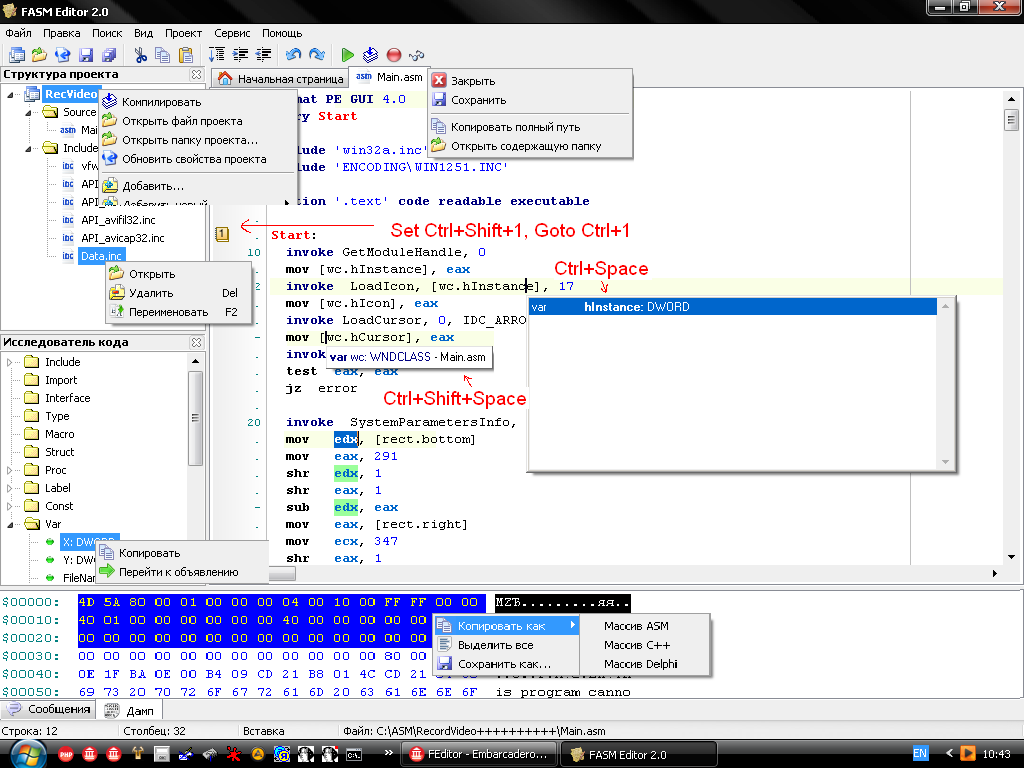

Experience
Apr 2026 — present
A high-load SaaS platform for running an online business; customers worldwide, mostly in Europe and the US.
Backend work on the CRM and on account flows in a large Symfony monolith:
strict_types across the codebase step by step.Work daily with coding agents (Claude Code, Codex) and set up automated Codex review for pull requests in CI.
Jun 2021 — Mar 2026
Several high-traffic consumer web products sharing a central catalog service, integrated over RabbitMQ.
Jan 2021 — Apr 2021
Supported a monitoring system for network equipment that detects, diagnoses and reports failures.
Jan 2020 — Dec 2020
Supported a domain name search and registration platform.
Oct 2018 — Oct 2019
Developed a healthcare web platform (NextLevelHealth).
Apr 2018 — Sep 2018
Microservices for a neural-network training platform on AWS.
Sep 2017 — Mar 2018
Data aggregation services over company and sole-proprietor registries.
Oct 2016 — Aug 2017
An electronic queue service and the ownRadio backend.
May 2014 — Oct 2016
Internal automation software, including the anti-plagiarism system.
Book
My study notes, written in Russian from the tagged code of each lab. English notes are not published yet.
54 chapters across five labs: PHP Systems Lab (26), Algorithms Lab, Architecture Lab, Architecture Decision Lab and System Design Lab (7 each).
38 lessons, each a folder with an explanation, an ASCII diagram and a runnable main.php.
Contact
Based in Kostanay, Kazakhstan.